
Alba Iulia: A Wheelchair User’s Guide to One of Romania’s Most Welcoming Cities
When people think of Transylvania, their minds often jump to castles, mountains, and maybe even the occasional vampire legend. But beyond those clichés lies a city that tells the true story of Romania’s unity and resilience — Alba Iulia. And what’s even better? If you’re looking into accessible travel in Romania, Alba Iulia offers one of the most rewarding, inclusive experiences you could hope for.
On my visit, I was struck not only by the city’s rich history and stunning architecture, but also by how thoughtfully many of its main attractions have been adapted for wheelchair users. Let me take you through what it’s like to explore this magical place on wheels.
A City Where History Lives
Whilst Alba Iulia may be a beautiful spot on a map full of beautiful Romanian spots, it’s also where, in 1918, the Great Union was declared — the event that united Transylvania with the rest of Romania. To this day, December 1st, Romania’s national holiday, is celebrated in honor of that moment. And each year, the city becomes the symbolic capital of the country for a day.
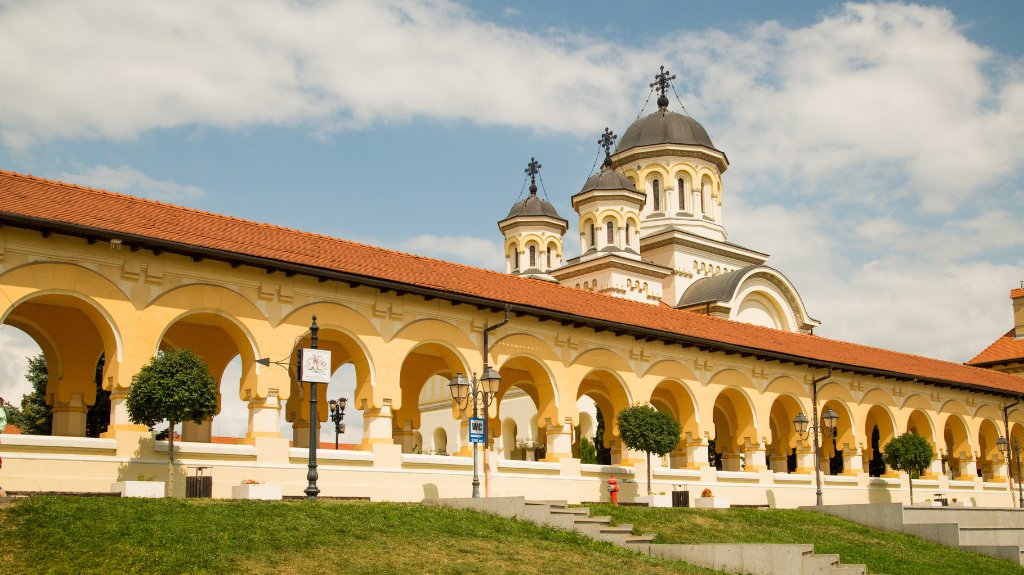
The heart of Alba Iulia is undoubtedly the Alba Carolina Fortress, a star-shaped citadel that wraps the old city in its protective walls. Originally built in the 18th century to keep invaders at bay, today it welcomes visitors from all over the world. And the best part? The fortress is surprisingly kind to wheels.
Wheelchair Access in Alba Iulia’s Fortress
One of the biggest worries with historic sites is whether they’ll be accessible. After all, these places were built centuries before anyone gave much thought to ramps and streets that weren’t cobbled. But Alba Iulia has made a genuine effort to balance preservation with inclusion.
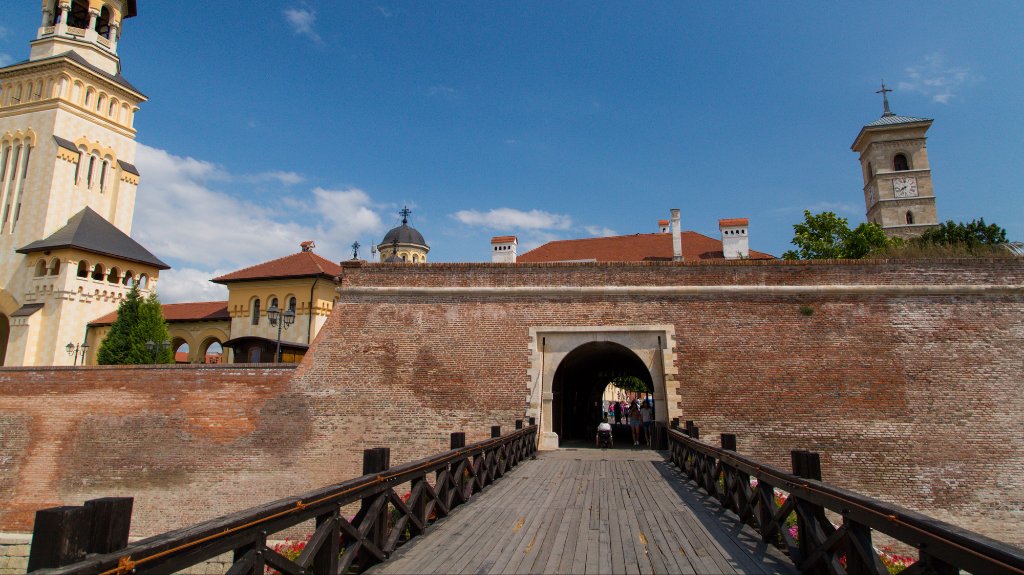
As you approach the fortress, especially from the western side where parking is easy and free, you’ll find broad, well-paved paths that make entry quite easy. Instead of steep stairs or tricky cobblestones at every turn, there are gentle slopes and wide alleys, designed to follow the lines of the original defensive moats. These moats, by the way, are 27 meters wide in some places and once kept enemies out. Now they invite all visitors in.
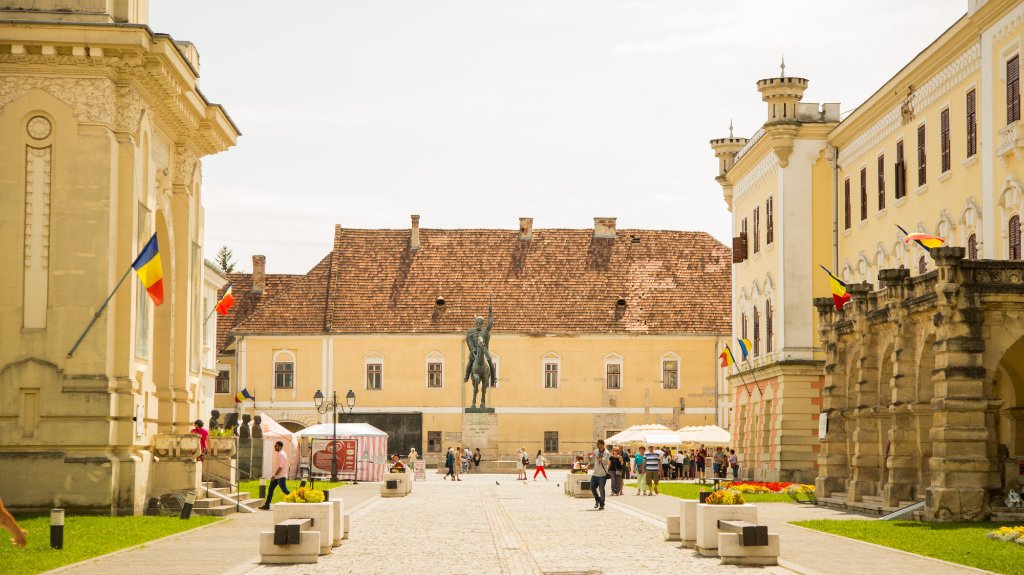
Once inside, you’ll discover just how easy it is to roll from one landmark to the next. From the Memorial Obelisk, built to mark the 100th anniversary of the Great Union, to the elegant St. Michael’s Cathedral with its impressive Gothic details, the key sites are linked by accessible paths. The fortress’s layout, with its seven-pointed star shape, means there are multiple gates and routes to explore without ever feeling limited.
And if you’re a fan of details, you’ll love the bronze statues scattered across the grounds. They bring the city’s history to life and are easy to approach, adding a playful touch to the grand surroundings.
A City that Values Inclusion
One thing that sets Alba Iulia apart on the accessible travel in Romania map is its attitude. Each December, alongside national day festivities, Alba Iulia hosts events dedicated to people with disabilities, featuring concerts, exhibitions, and performances.
There’s also a public toilet that’s become a bit of an attraction in itself. I know, a toilet doesn’t sound like a highlight, but this one is built underground to showcase part of a medieval wall. Patrons with disabilities can use the modern stairlift that takes them down into this cool area of the city!
Food, Rest, and Recharge
After a few hours of exploring the fortress, you’ll probably want a break, and one of the joys of visiting Alba Iulia, especially in summer, is the variety of street food stalls that pop up around the citadel. While I can’t confirm the accessibility of individual cafés or restaurants, the open-air food stands are usually set up on level ground, making them easy to approach for wheelchair users.
You might come across stalls selling lángos — a crispy, golden flatbread often topped with sour cream and a generous helping of shredded cheese. It’s warm, comforting, and perfect to enjoy while resting on a bench or at one of the fortress’s many open spaces.
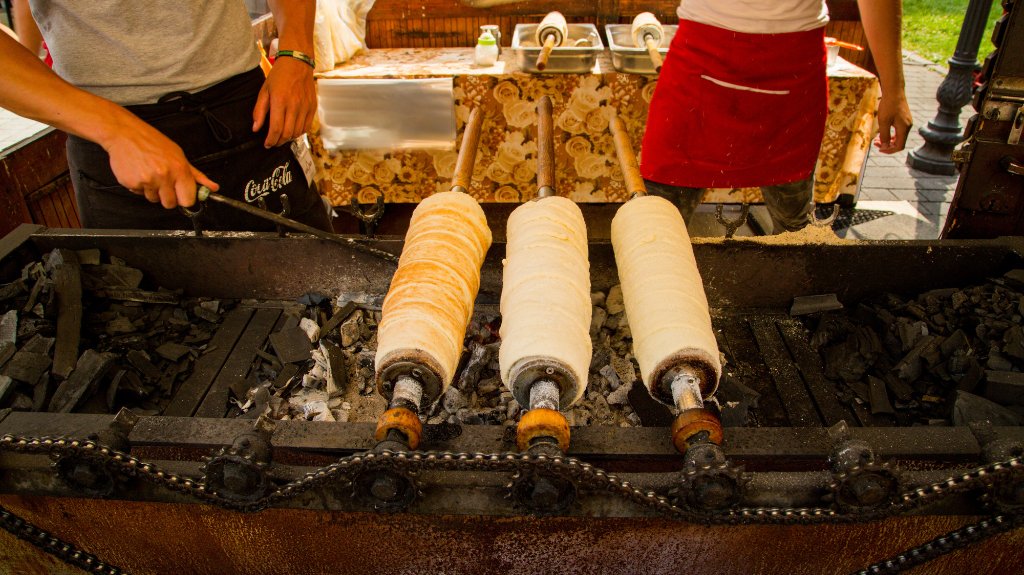
Another favorite is kürtőskalács (sometimes called chimney cake). These sweet, spiral-shaped pastries are cooked over hot coals right before your eyes, filling the air with a delicious, sugary aroma. Watching the dough slowly turn golden as it bakes is all part of the experience.
The beauty of these stalls is that they let you enjoy a taste of local culture in a relaxed, informal setting — no need to worry about steps or tight doorways. You can simply roll up, grab a treat, and soak up the lively atmosphere that fills the fortress during the warmer months.
A Few Practical Tips
If you’re planning your visit, I’d recommend setting aside at least half a day to enjoy Alba Iulia at a comfortable pace. The city is compact enough that you won’t feel rushed, but rich enough in sights and stories that you’ll want time to take it all in.
Getting to Alba Iulia is usually easiest by car or private transfer, especially if you’re looking for a smooth, accessible journey. While Romania’s train system is improving, it still has some gaps when it comes to accessibility, so arranging an adapted vehicle is often the best choice, especially if you’re coming from cities like Cluj-Napoca or Sibiu. The good news is that Alba Iulia forms part of Accessible Romania’s accessible tours, so you can count on transport and support with all your access needs taken care of.
And a word about the weather: Transylvania has a bit of a dramatic flair, with sunshine one moment and mist rolling in the next. It’s part of the charm, but it’s wise to bring along a jacket or poncho, just in case.
…
What I loved most about visiting Alba Iulia was how it combines grand history with genuine warmth. The city’s efforts to provide good wheelchair access in Alba Iulia aren’t perfect — you may still find the odd uneven surface here or there — but overall, it sets a positive example for accessible travel in Romania.